
HOW TO DESCALE A COFFEE MAKER
(Step-by-Step Guide)
QUICK ANSWER
Steps to descale your coffee maker:
How to descale a coffee maker:
- Fill the reservoir with descaling solution or white vinegar mixed 1:1 with water
- Run a brew cycle
- Pause halfway if possible and let it sit
- Complete the cycle
- Rinse with clean water 2–3 times
This guide shows you how to descale a coffee maker without guesswork. Not just a quick rinse, but a full process that restores flow, stabilises temperature, and brings the taste back into balance.
For consistent results, a purpose-made coffee maker descaler helps control strength and remove buildup effectively.
Signs your Coffee Maker needs Descaling
Look for these early signs of limescale buildup:
• Slow brewing
• Weak or inconsistent coffee
• Gurgling or unusual noise
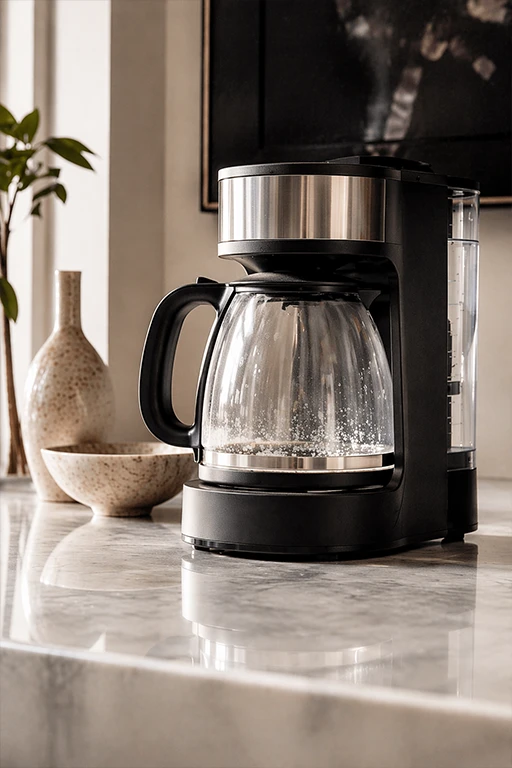
• White residue
Ignoring them can lead to blocked pathways, reduced efficiency, and more wear on internal components.
Why Descaling a Coffee Maker Matters
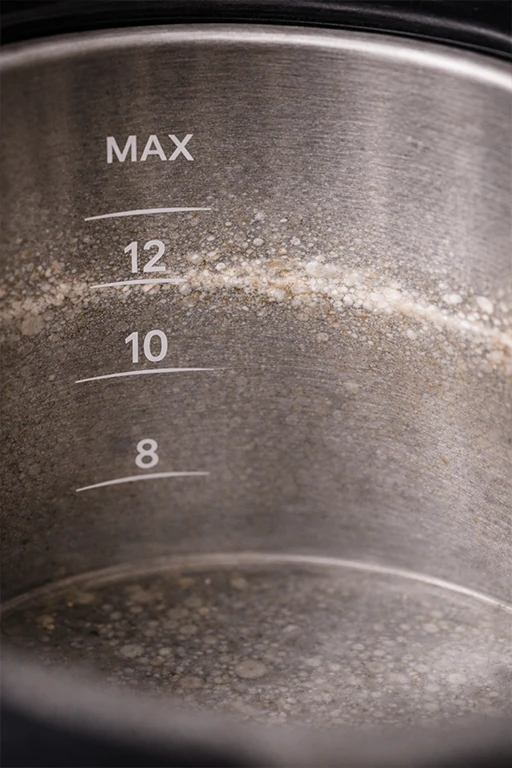
In most cases, limescale is not visible from the outside. By the time performance drops, scale has already built up inside the system.
As it accumulates, it restricts water flow and reduces heat transfer, leading to slower brewing and inconsistent extraction.
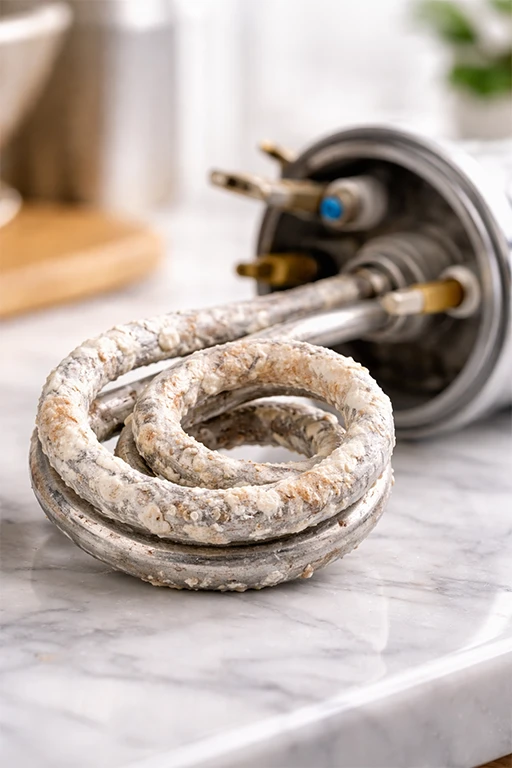
Left untreated, scale can overheat heating elements, strain internal components, and shorten the lifespan of the machine.
The problem usually starts inside the system, not on the outside.
Where Limescale Builds Up Inside a Coffee Maker
Limescale forms fastest in the hottest, narrowest parts of the system, where heat and restricted flow accelerate mineral buildup:
• Heating elements
• Tight bends in tubing
• Narrow water channels
• Valves and restricted points
This is why machines often slow down, sound different, or produce weaker coffee long before you see visible buildup.
How to Descale a Coffee Maker
(Step by Step Guide)
This method works for most domestic coffee makers. Always check the manufacturer’s instructions for your specific model.
This is where most people go wrong when learning how to descale a coffee maker. The process is often rushed, which reduces effectiveness.
1. Empty the machine
Descaling solution should only run through the water path. It should not pass through coffee grounds or anything that can trap residue.
• Discard any coffee grounds
• Empty the reservoir
• Remove used paper filters, pods, or capsules
If your machine has a charcoal water filter, remove it first unless your manual says otherwise (replace at the end).
2. Add descaling solution
You have three approaches:
- White vinegar, mixed 1:1 with warm water
- Citric acid: use 20–30 grams (approx. 1–2 level tablespoons) per litre of warm water. Mix until fully dissolved.
- Purpose-made descaling solution (recommended)
Typical coffee maker capacities:
- Small (4–6 cup): 0.6 – 1.0 litres
- Standard (8–12 cup): 1.2 – 1.8 litres (most common)
- Larger machines: up to ~2.0 litres
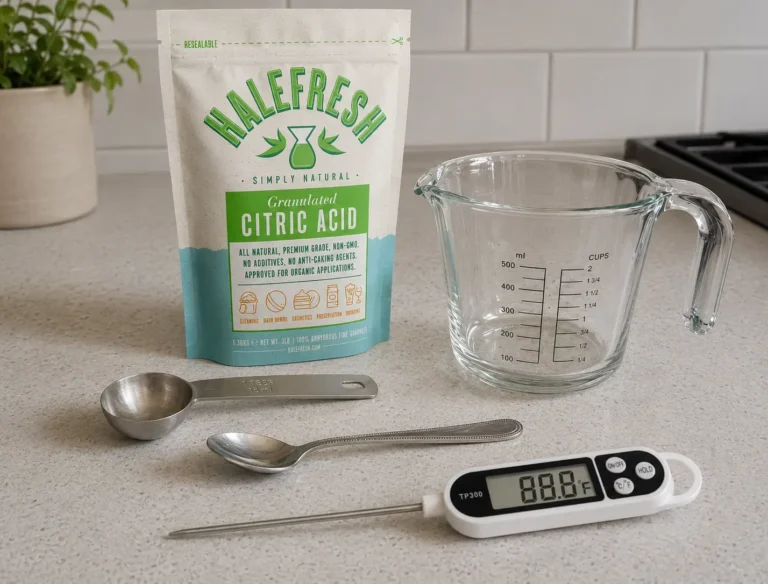
Pro Tip: Heat the water to 40–50°C when creating the solution
The benefits of purpose-made descaling solution:
- Designed for coffee machines
- Water content is mineral free
- Controlled strength and formulation
- Consistent performance across different machine types
- Easy to use and saves time
3. Run a brew cycle
Start a normal cycle. If your machine allows it, pause halfway and leave the solution sitting for 15–30 minutes. Pausing the cycle increases contact time and improves effectiveness, especially in the areas where scale tends to collect first.
Then allow the cycle to complete fully.
At this stage, the process is less about running the machine and more about giving the solution time to work inside the system.
4. Rinse thoroughly
This step matters more than many people realise.
• Fill with clean water
• Run 2–3 full rinse cycles
• Continue until no smell remains and the water runs clear
One of the most common issues we see is partial descaling, where loosened scale is not fully flushed out and problems return quickly.
Residual solution or loosened deposits left in the system can affect taste and cause recurring flow issues.
Using a Keurig? See our dedicated guide on how to descale a Keurig coffee maker for pod-style brewers, descale lights, and model-specific notes.
How Often Should you Descale a Coffee maker?
How often you descale depends on your water, how often you use the machine, and how quickly performance changes.
As a simple guide:
- Daily use with hard water: every 3 to 4 weeks
- Daily use with moderate water: every 4 to 6 weeks
- Moderate use: every 6 to 8 weeks
- Occasional use: every 2 to 3 months
Descale sooner if the machine starts brewing slowly, sounds louder than usual, produces flat-tasting coffee, or shows a descale warning.
For a deeper guide by water hardness, machine type, filtered water, and warning signs, read our full guide: how often to descale coffee maker
Can you use Vinegar to Descale a Coffee Maker?
Vinegar can descale some simple drip coffee makers, but it is less consistent than using a purpose-made descaler. Before using it, read our guide to descaling coffee maker with vinegar. The outcome depends on the machine, the scale level, and how it is used.
PROS:
- Cheap
- Easy to find
CONS:
- Leaves a lingering smell
- Requires more rinsing
- Harder to control concentration consistently
- Can cling to internal components and affect taste
- Acetic acid can degrade seals and rubber components over time
Vinegar will dissolve limescale, but it is harder to control in practice. It works as a short-term fix, not a reliable long-term approach.
Choosing the Right Descaling Method
The method you choose affects consistency, performance, and long-term wear. Choose based on the machine, the scale level, and how often you plan to descale.
Vinegar and DIY mixes can remove limescale, but they require more care with mixing, timing, and rinsing.
Use vinegar only when the machine is simple, the scale is light, and the manual allows it.
Use citric acid if you want a DIY option with less smell than vinegar, but only if you are comfortable measuring and mixing it correctly.
Use a purpose-made descaling solution if you want a consistent routine, fewer odour issues, and less guesswork.
For regular maintenance, consistency matters more than strength.
A harsh or rushed descale can leave residue behind, while a controlled process is easier to repeat.
Best Coffee Maker Descaling Solution
Not all descaling solutions perform the same. The difference comes down to control, consistency, and how the solution behaves inside the machine.
What matters in a descaling solution:
- Controlled strength to dissolve scale evenly
- Clean rinsing with no residue or odour
- Safe for seals, valves, and internal components
Vinegar and DIY mixtures can remove scale, but results depend on accurate mixing and a thorough rinse. This often leads to incomplete descaling or the need for repeated cycles.
If your machine is already showing signs of scale, waiting will only make the problem harder to remove.
A purpose-made coffee maker descaling solution removes scale effectively without the guesswork of mixing or measuring.
For a fuller comparison of descaler types and machine compatibility, read our guide to the best descaler for coffee machines
No measuring. No guesswork. Just consistent results.
What Happens During Descaling
When the solution runs through the system, it reacts with mineral deposits and breaks them down into smaller particles to be flushed out.
This is why pausing the cycle helps. It gives the solution time to work inside the machine rather than passing straight through.
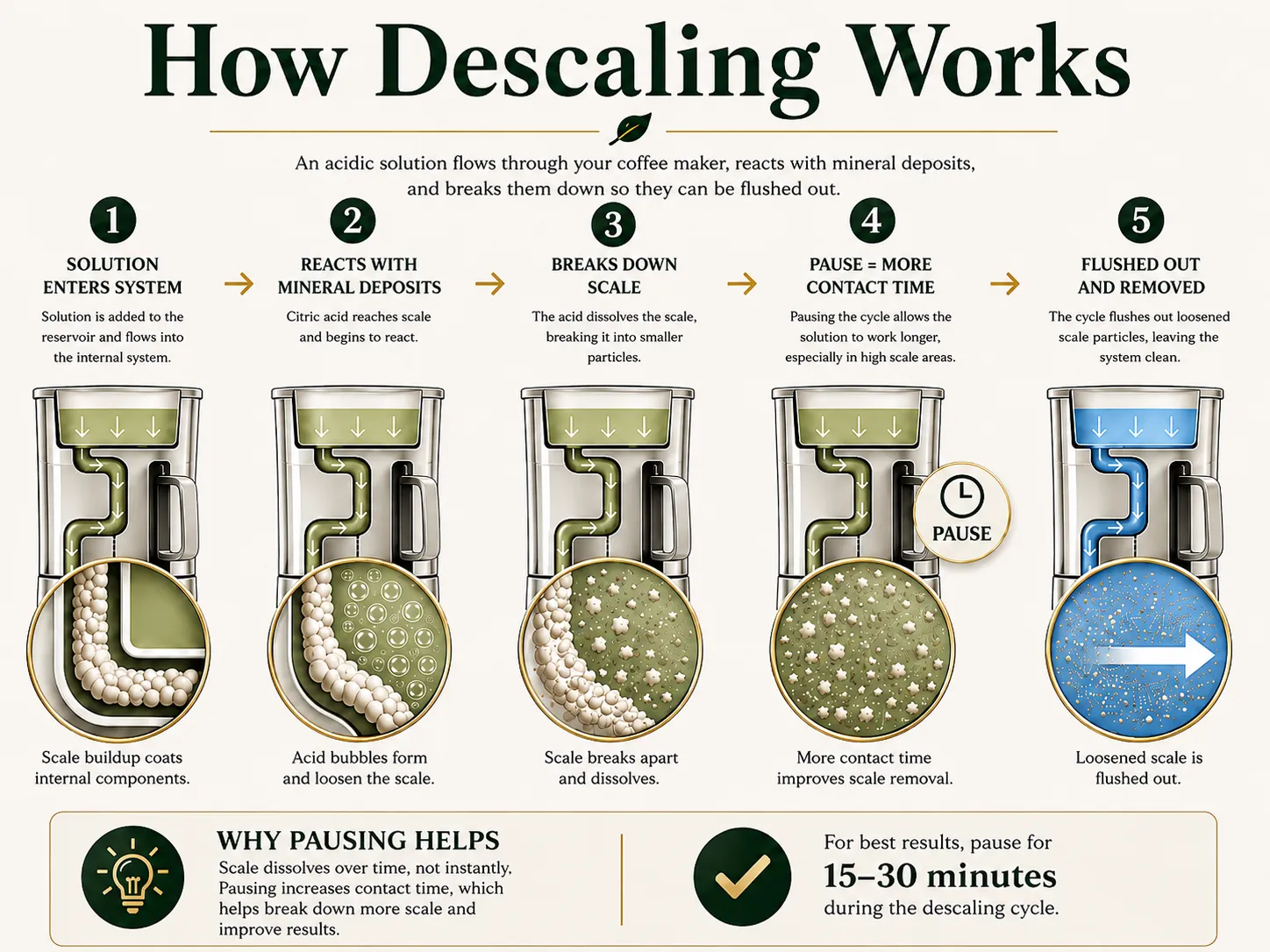
How descaling removes limescale inside a coffee maker — click to enlarge
Descaling vs Cleaning: What’s the Difference?
They are not the same.
- Cleaning removes coffee oils and residue from surfaces and brew components
- Descaling removes mineral buildup inside the water system where it cannot be seen
If the issue is coffee oils, old grounds, stains, or surface residue rather than scale, start with our guide to how to clean a coffee maker.
If your issue is slow brewing, weak coffee, or machine noise, scale is often the first thing to check. If you notice a film on your coffee, the issue is cleaning, not descaling.

Common Mistakes to Avoid
- Not rinsing properly
- Using undiluted vinegar
- Waiting too long between descales
- Ignoring early warning signs
Most machines do not fail suddenly. Performance drops gradually.
Frequently Asked Questions
How often should you descale a coffee maker?
It depends on usage and water hardness, which determines how quickly mineral deposits form. Daily use typically requires descaling every 4 weeks, while lighter use may only need it every 2–3 months.
Can you descale a coffee maker with vinegar?
Yes, white vinegar can be used to descale a coffee maker when mixed 1:1 with water. However, it can leave a lingering smell, requires more rinsing, and is less consistent than purpose-made descaling solutions.
How much vinegar should I use to clean a 12 cup coffee maker?
For a basic drip coffee maker, many people use a 1:1 mixture of white vinegar and water, but you should always check your machine manual first. For ratios, rinse cycles, risks and when to avoid vinegar, see our full guide to descaling a coffee maker with vinegar.
What is the best solution for descaling a coffee maker?
Purpose-made descaling solutions provide the most consistent results and are designed to be safe for internal components. Alternatives like citric acid or white vinegar can work, but vary in strength and often require more rinsing.
How long does it take to descale a coffee maker?
It usually takes 30–60 minutes, depending on the machine and how many rinse cycles are required.
What happens if you do not descale a coffee maker?
Limescale builds up inside the system, reducing heat transfer and restricting water flow. This leads to slower brewing, inconsistent extraction, and increased wear on internal components.

